

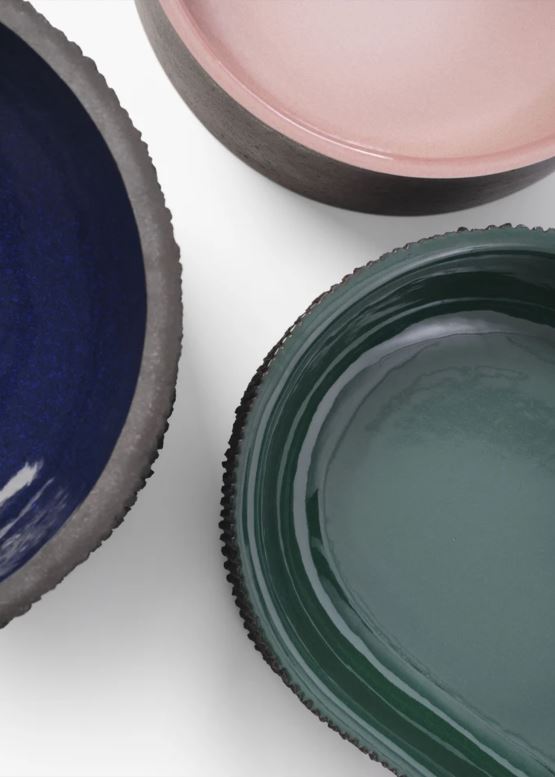
Most architects and interior designers we speak to in the UK have either never encountered lava stone, or have heard of it but have no idea where to source it. When we first showed Ranieri’s sample kit to a designer, the reaction was immediate. The kit itself arrives like a jewellery box — a precision-fitted case containing dozens of glazed lava stone samples in colours you would not expect from a natural stone: deep teal, burgundy, ochre, matte white, metallic gold. Before a word was said about the material, the object had already done the work.
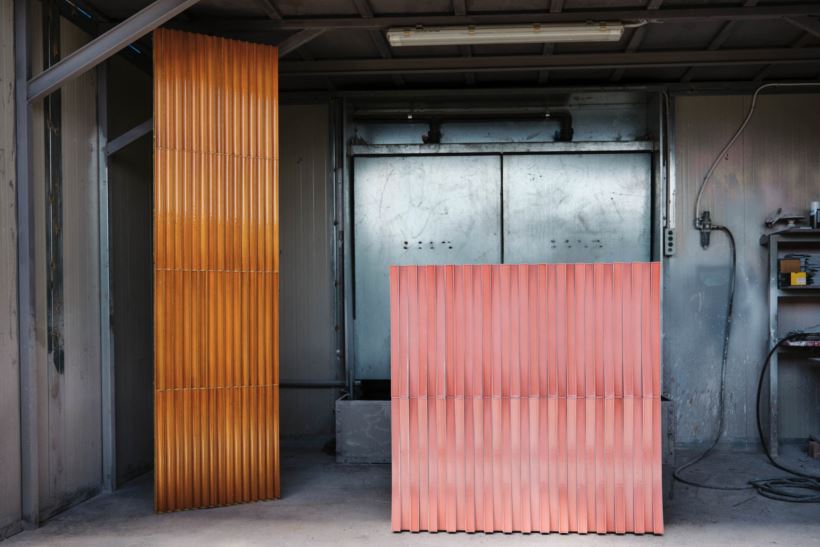
That reaction tells you something important. Most premium surface materials — marble, porcelain, engineered stone — are well understood. Designers know what they are getting. Lava stone is different. It is genuinely unfamiliar, and in the UK specification market, that is increasingly rare.
The Material: What Lava Stone Actually Is
Ranieri describes themselves as a research and production laboratory — not a tile manufacturer, not a stone supplier. That distinction matters. They work with lava stone as a material that, in their words, “actively participates in the language of the project.” The starting point is volcanic lava stone, rooted in the territory shaped by Vesuvius. It is a dense, complex material — nothing like the lightweight ceramic or sintered stone products that sometimes borrow the “lava” name.
Ranieri works with three families of the material: pure lava, glazed lava, and recycled lava. For most architectural applications, glazed lava is the relevant form.
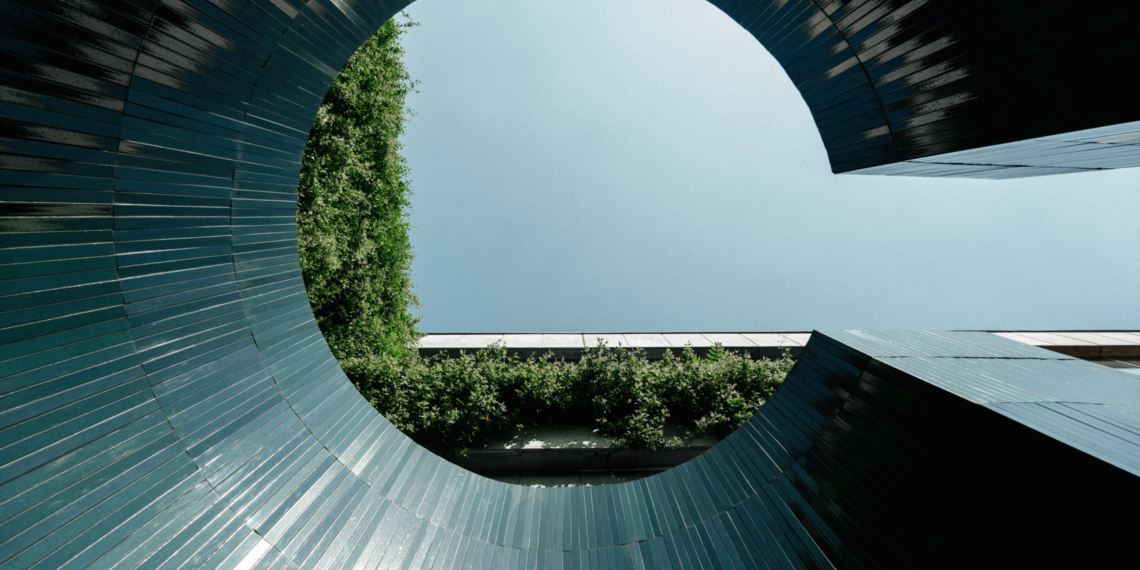
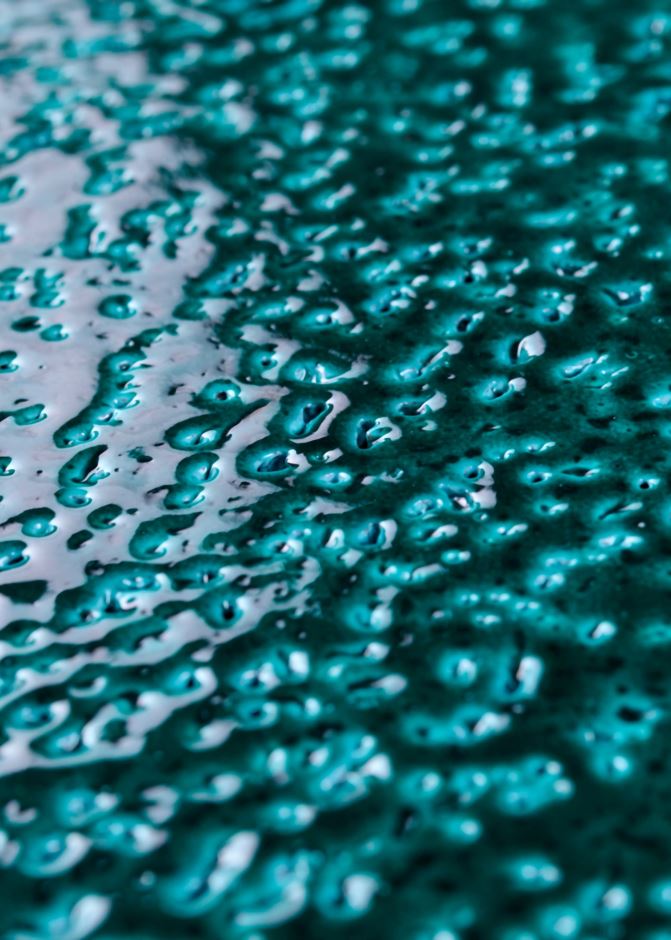
In glazed lava, a ceramic glaze is applied to the stone surface and the piece is fired in a kiln. The glaze does not sit on top of the material as a coating — it reacts, fuses, and transforms together with the lava during firing. Ranieri are clear about this: the colour variations and subtle differences in tone and depth that result are not imperfections. They are the result of real chemical reactions between glaze and stone, and they are part of what the material is.
The practical performance properties that follow from this process are significant:
- Non-porous: The vitrified glaze does not absorb liquid. No sealing, no specialist maintenance.
- Heat resistant: The surface withstands high temperatures — relevant for kitchen and hospitality applications.
- Scratch resistant: The fired glaze is extremely hard under everyday use.
- UV stable: Colours do not fade — which opens up exterior applications that most natural stone cannot handle.
- Hygienic: The non-porous, glass-fused surface does not harbour bacteria.
Colour: Not a Palette, a Language
Ranieri’s approach to colour is not about offering a catalogue and asking you to choose. Their chromatic research is, in their own words, “continuous and potentially infinite” — an open language that expands through testing and experimentation rather than a palette defined once and for all.
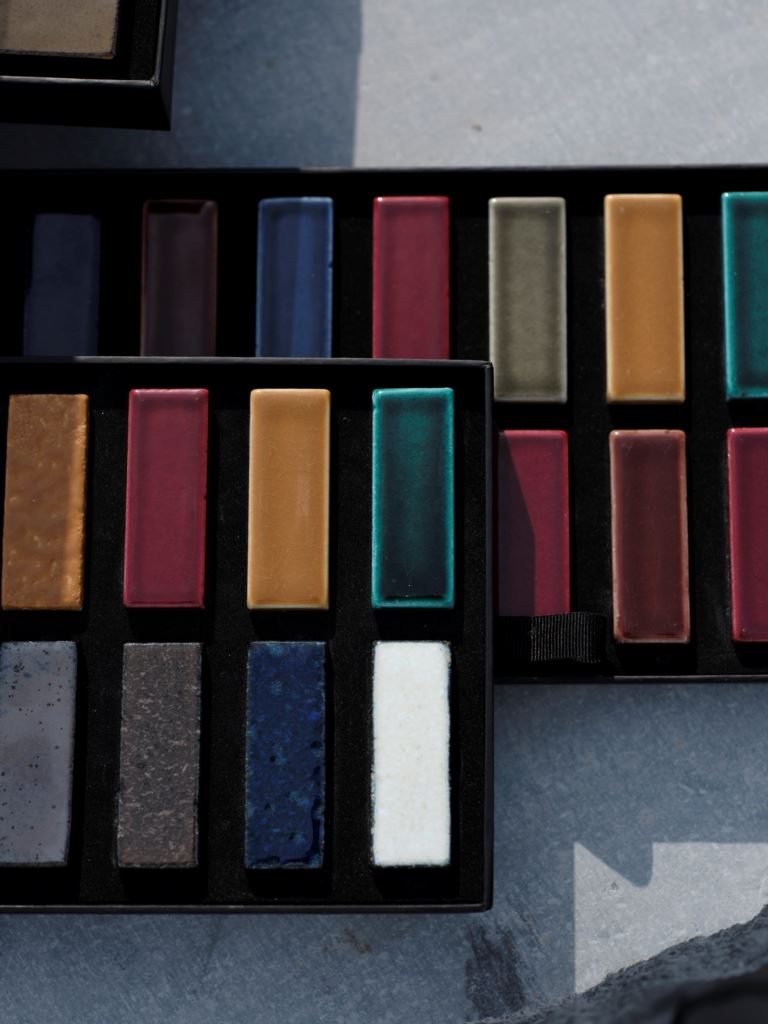
In practice this means a designer can bring a fabric swatch, a paint chip, or a RAL reference and Ranieri will develop a glaze to match. For projects where a very specific colour story matters — hospitality interiors, bespoke residential — this level of control in a natural stone material is unusual and significant.
Where It Works
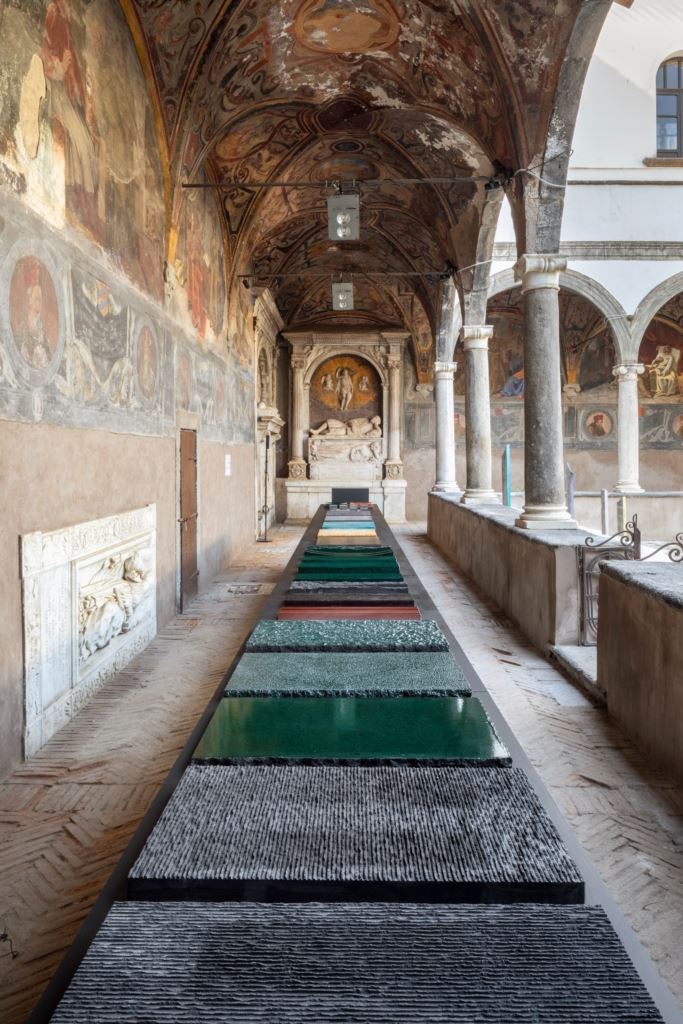
In our experience, the strongest fit in the UK is hospitality and high-end residential — bars, restaurants, hotel lobbies, premium kitchens and bathrooms — where the client wants something genuinely distinctive and understands what it takes to achieve it.
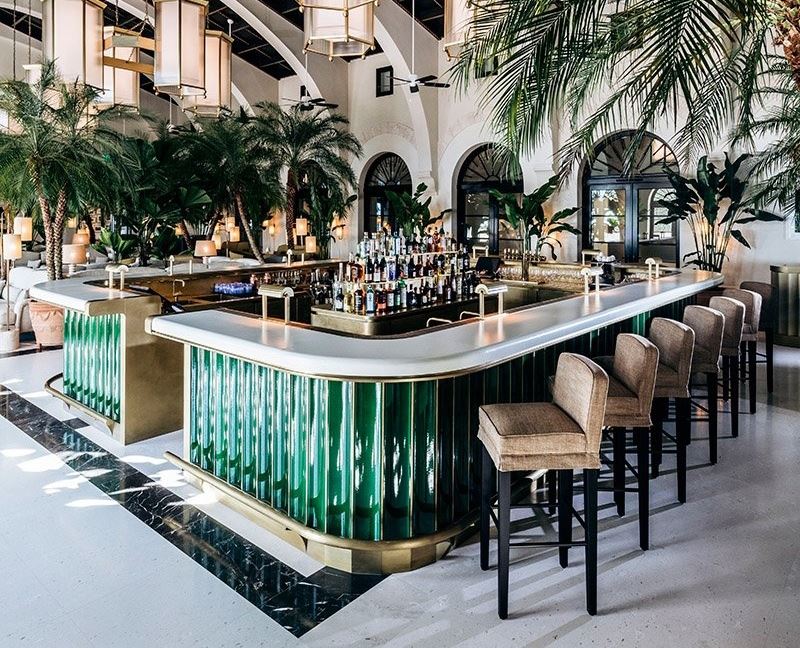
A glazed lava stone bar top in a deep colour, custom-matched to the interior scheme, is a specification that no other material replicates. The non-porous glaze holds up under daily commercial use without the maintenance demands of marble.
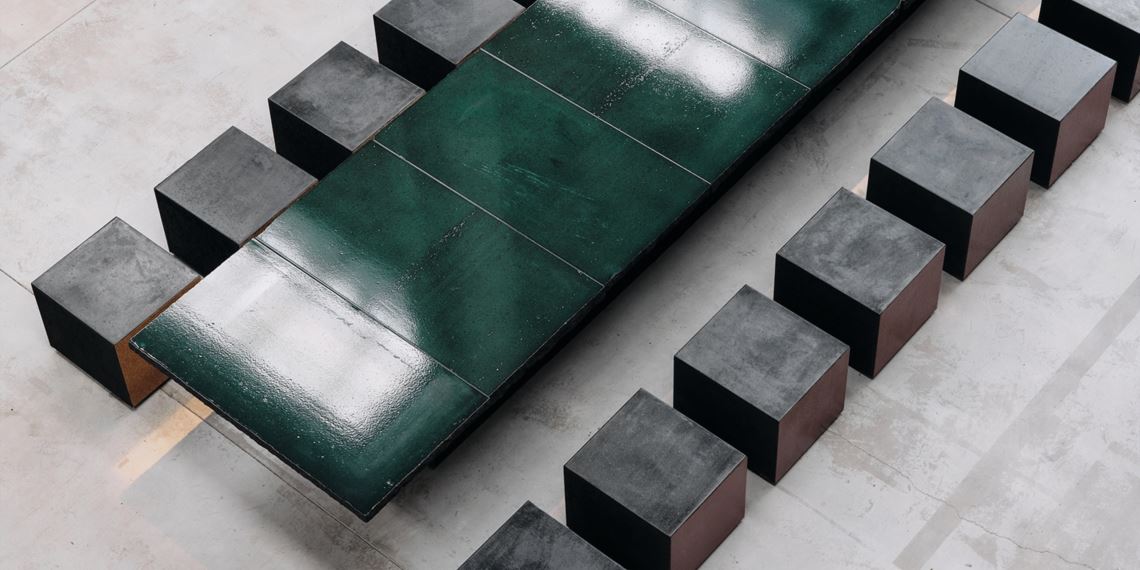
For residential projects, the conversation is usually about worktops or bathrooms. UK clients in the premium segment are increasingly looking for alternatives to the materials that have dominated for the past decade. Calacatta marble is everywhere. Large format porcelain is everywhere. Lava stone is not — and that scarcity is part of the value.
The exterior application is worth considering for cultural and hospitality buildings where the materiality of the facade is central to the design intent. UV stability and frost resistance make it a viable cladding specification — which most natural stone alternatives are not.
How Ranieri Works — and What That Means in Practice
Ranieri is explicit about something most manufacturers avoid saying: not every project is suitable, and not every brief will be accepted. They work by choice, not adaptation. The dialogue with the designer includes, in their words, “the possibility of setting limits, refusing incoherent solutions, and protecting the project beyond its immediate realisation.”
This is a different kind of material relationship. Lava stone is not specified from a brochure and ordered in standard sizes. Every phase — from material selection to fabrication, glazing to finishing — is carefully overseen. Lead times from the Vesuvius workshop need to be planned for. Getting the colour and format right requires genuine dialogue.
Specifo manages that process for UK projects — handling sourcing, logistics, and the coordination between the design team and Ranieri’s workshop. If you are at the early stages of a project and want to understand what is possible, or simply want to see and handle the material, we can arrange samples.
Samples are available. Request yours below, or visit our Ranieri brand page for more on the material.